
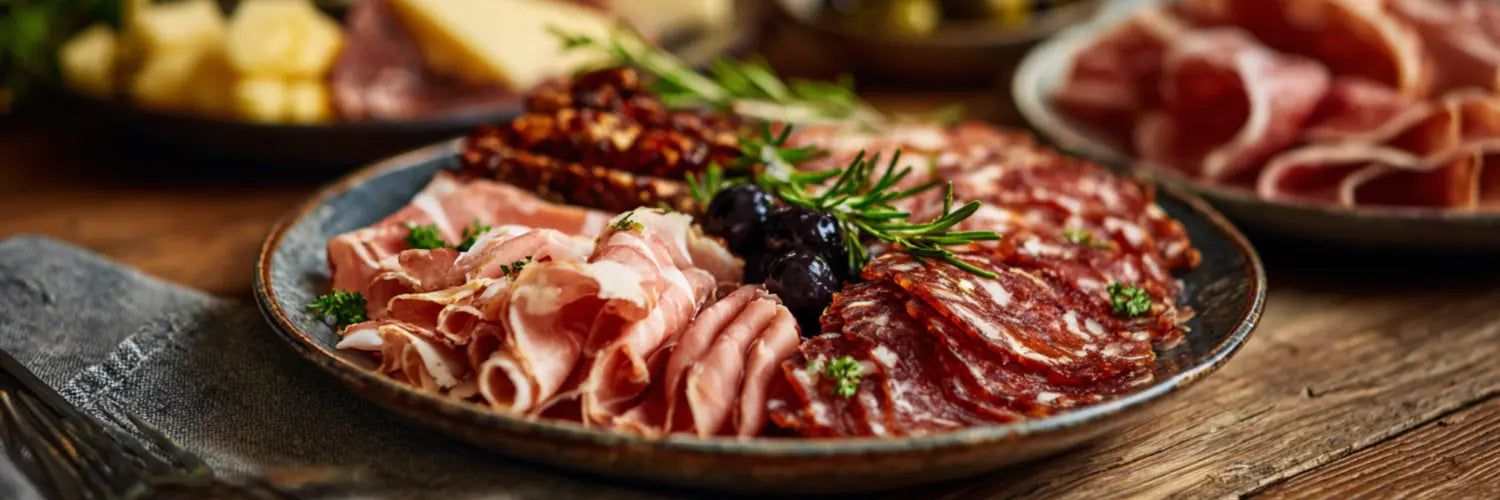



AI-generated illustration of round brown butter almond financiers, one split to show the cooked almond crumb

Cake

Brown Butter Almond Financiers

Published 03 November 2026 · Updated 03 November 2026

These small almond tea cakes have golden edges and a tender centre, with the toasted flavour of brown butter running through the crumb. Mix the egg whites straight into the batter without whipping, then give it a proper rest before baking.

Not kitchen tested by The Black Farmer.
Serves 12
Prep 242 min
Cook 23 min
Total 265 min

Timing: Untested baseline: 265 minutes (4 hours 25 minutes). Elapsed equation: 22 standalone prep + 23 cook (8 brown butter, 15 bake) + 40 cooling (15 butter, 10 in tin, 15 rack) + 180 marinate/waiting + 0 rest = 265. Display prep_minutes is 242, including all non-cook waiting/cooling, so 242 + 23 = 265. Hands-on prep is 33 minutes: 22 standalone plus 5 dry weighing during butter cooling and 6 greasing during batter rest. Attended browning is classified as cook, not included in those 33 prep minutes. The butter-cooling group runs 15 minutes with 5 minutes dry prep inside it; the batter-rest group runs 180 minutes with greasing-butter softening at offset 150 for 10 minutes, oven preheat at offset 160 for 20 minutes and tin preparation at offset 160 for 6 minutes. Each group contributes only its full span, not the sum of overlapping tasks. Preheat is elapsed oven heating, not 20 minutes of hands-on labour. Baseline timeline: setup 0-8; brown 8-16; butter cool/dry prep 16-31; mix 31-36; chill 36-216 (soften grease butter 186-196; preheat 196-216; grease 196-202); portion 216-222; load 222-223; bake 223-238; tin cool 238-248; transfer 248-250; rack cool 250-265. Conditional segments have zero baseline contribution, not zero real duration. Add every actual extension and count the correct phase; a burnt batch or wrong-capacity tin is not silently covered by this baseline. Doneness, oven readiness, liquid-lukewarm butter and safe handling cues override estimates.

Ingredients

  • Longman's Unsalted Roll Butter (200g)

    Butter

    150g unsalted, divided: 140g for browning into the batter and 10g for greasing

    Weigh the two portions separately. Cut the 140g portion into roughly 1cm cubes. The 10g greasing portion stays separate and softens while the batter rests. One 200g retail roll supplies both portions, leaving 50g unused. Use all the browned output and milk solids from the 140g starting portion; do not weigh out 140g finished brown butter or add replacement water.

    £3.80

Adds 1 items across 1 products — £3.80 total.

Pantry ingredients such as oil, salt and herbs are not included.

Other Ingredients You'll Need

  • Ground almonds — 100g finely ground blanched almonds (All in the batter; not sweetened marzipan or defatted almond powder. No extra almond topping.)
  • Icing sugar — 145g, sifted (All in the batter; no finishing dusting.)
  • Plain flour — 50g, divided: 45g for the batter and 5g for dusting the tin (Weigh separately. Dust with the measured 5g only and tap out the excess; discarded dusting flour is not added to the batter.)
  • Egg whites — 120g liquid egg whites, weighed without shells or yolks (Separate enough fresh hen eggs to obtain the stated weight; egg size varies. No yolks in this batter. Keep the measured whites covered in the fridge until mixing and refrigerate reserved yolks promptly for a different use. Whisk only to loosen, not to a foam or meringue.)
  • Fine salt — 1g (All in the batter; use unsalted butter as specified.)

Method

Set out the tin and divide the ingredients

Allow about 8 minutes. Check that a single 24-hole metal mini-muffin tin with approximately 30ml cavities fits on the oven's middle shelf. Set out the rack and dry heatproof bowl. Weigh 150g butter and divide into 140g for browning and 10g for greasing; cube the larger portion and keep the smaller portion covered in the fridge for now. Separate and weigh 120g egg whites into a clean covered bowl, keeping yolks out, then refrigerate the whites until mixing. Refrigerate the unused yolks promptly for another use. Wash hands and clean the worktop after handling raw eggs.

Brown the butter, keeping the golden solids

Put the 140g cubed butter into the light-interior saucepan. Allow about 8 minutes over medium-low to medium heat, including melting and transfer. Stir and sweep the base with the heatproof spatula as it bubbles and foams; reduce the heat if colouring rapidly. Look underneath the foam for amber-brown specks and a toasted, nutty aroma, not black flecks or smoke. As soon as the milk solids are golden brown, pour into the dry heatproof bowl and scrape in the browned bits to stop them cooking in the hot pan. Switch off the hob. The cue matters more than the estimate; count any extra time. If it smells acrid or the solids are black, let it cool safely and start again with fresh ingredients rather than mixing burnt butter into the batter.

Cool the butter and weigh the dry mixture alongside

Let the brown butter cool for about 15 minutes in the broad bowl, until lukewarm rather than hot but still liquid. Do not add hot butter to egg whites. During the first 5 minutes of this same cooling period, weigh all 100g ground almonds, sift the 145g icing sugar, divide the plain flour into 45g batter flour and 5g dusting flour, and weigh the 1g salt. Whisk the almonds, icing sugar, 45g flour and salt together in the mixing bowl, breaking up almond lumps. Set the 5g flour aside. This dry preparation overlaps butter cooling; it is not an extra stage after it. Allow longer cooling if still hot. If the butter sets, warm gently only until liquid and let it return to lukewarm, adding that actual extra time. Do not top up the reduced brown butter with water or more butter.

Mix a smooth batter without whipping

Allow about 5 minutes. Loosen the cold measured egg whites briefly with a fork without making a foam, then whisk them into the dry mixture just until evenly combined with no dry pockets. Stir the brown butter so the milk solids are distributed and add all of it in two additions, whisking gently after each until the batter is smooth with no separate oily layer. Scrape the bowl and cover. There is no creaming, meringue or baking powder in this recipe. Do not taste the raw egg-and-flour batter.

Rest the batter and prepare the oven near the end

Refrigerate the covered batter for 3 hours at 5°C or below. Keep it refrigerated during the following overlapping preparations. At 150 minutes into the rest, take the reserved 10g greasing butter from the fridge and let it soften for 10 minutes. At 160 minutes, start a 20-minute oven preheat to 190°C conventional / 170°C fan, with a shelf in the middle. During the first 6 minutes of this preheat, brush all 24 cavities thinly and thoroughly with the measured greasing butter, including the upper sides; a little may remain on the brush. Dust them with the reserved 5g flour, moving the tin to coat the butter, then invert over a bin and tap out loose excess. Do not add the excess flour to the batter. The rest lasts the full 3 hours, and preheating, softening and tin preparation fit inside it. If butter is still too firm for brushing or the oven is not ready at the end, keep the batter refrigerated until all are ready and add the actual extra wait.

Portion the cold batter

Allow about 6 minutes to uncover, scrape and divide the entire cold batter evenly between the 24 prepared cavities using two teaspoons or a small scoop. Aim for similar portions, roughly 21–23g each; this is a planning estimate, not a measured batter yield. Spread each portion gently across the bottom without beating air into it, keeping each cavity no more than about three-quarters full. Do not put a double portion into a standard muffin hole or pile spare batter on top. If the mixture does not fit within that limit, check the tin's cavity size before continuing; do not overfill the holes. Allow about 1 minute to load the fully heated oven and close the door.

Bake until the centres are set

Bake for about 15 minutes at 190°C conventional / 170°C fan. Towards the end of this allowance, check for deep golden edges, paler golden tops and centres that spring back lightly. A clean skewer in one of the thickest centres should come out without wet batter. Do not rely on browned edges alone. If the centres remain wet, bake in further 2-minute intervals until set, counting each extra interval. Stop earlier if the cakes have already reached these cues; small cakes can dry out with overbaking.

Let the cakes firm in the tin, then lift out

Put the tin on a heatproof rest and leave the financiers in it for 10 minutes. Allow about 2 minutes to loosen the edges gently with a thin palette knife suitable for the tin's coating and transfer the cakes to the rack, keeping hands clear of the hot metal. Do not tear them out while fragile. If they will not release without damage, allow more time and loosen carefully rather than forcing them; add that actual wait and handling time.

Finish cooling and serve

Cool unstacked on the rack for a further 15 minutes, until comfortably warm rather than hot and the crumb has settled. Allow longer if needed and count it. Serve two mini financiers per person. They are intended to have lightly crisp edges and a tender, fully cooked almond centre, not a raw or gummy middle. Black tea and sliced ripe pear make simple accompaniments, prepared separately and excluded from this recipe's quantities and timetable. Best served on the day for the edge-and-centre contrast; no tested storage life is claimed.

Serving Suggestion

Serve two mini financiers with black tea and sliced ripe pear. For a mixed tea plate, add Butter Shortbread, prepared separately; the extra bake and accompaniments are not included in this recipe's quantities, basket or timetable.

Frequently Asked Questions

Why brown the butter rather than just melt it?

Browning toasts the milk solids and gives the batter its distinctive nutty butter flavour. Keep the golden specks and add them with the butterfat. Black solids and an acrid smell mean burnt butter, not a stronger version of the intended flavour.

Is 140g the butter weight before or after browning?

It is the starting weight. Brown the measured 140g portion and use all the resulting butter and golden solids; the finished amount weighs less as water evaporates. Do not weigh out 140g finished brown butter, replace the lost water or use the separate 10g greasing portion to top it up.

Do I need to whisk the egg whites to peaks?

No. Weigh 120g liquid whites, loosen them only briefly and mix them directly with the dry ingredients. This batter is not a meringue, and whole eggs are not a direct replacement because yolks change its balance.

Why is the batter rest included in the total?

The full 3-hour refrigerated rest gives the dry ingredients time to hydrate and firms the batter for portioning. The oven heats and the tin is prepared within the final part of that rest; neither cancels or shortens it. The 4-hour-25-minute total also includes cooling the brown butter and the baked cakes.

Can I use a full-size muffin tin or rectangular silicone mould?

Not with an unchanged yield and timetable. This recipe uses 24 metal mini-muffin cavities of approximately 30ml each and divides one batch evenly between them. Use the specified tin: a different cavity size or material changes the cake depth, browning and baking time. Do not overfill the holes.

How do I know the almond centre is cooked?

Look for golden edges, a set centre that springs back lightly and a skewer that comes out without wet batter. A moist almond crumb is expected, but a raw, glossy or gummy middle is not. Continue baking if wet; allow the written cooling before judging the finished texture.