
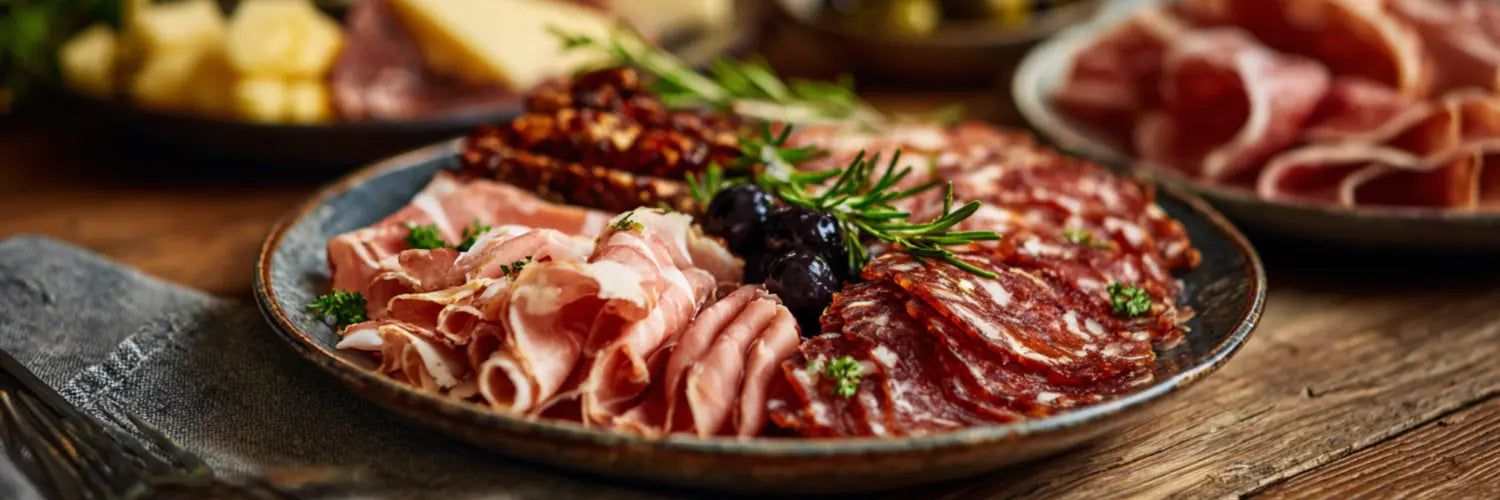



Two bowls of linguine coated in golden brown butter with toasted flecks and crisp sage leaves

Main course

Sage Brown Butter Pasta

Published 31 October 2026 · Updated 31 October 2026

Nutty brown butter coats linguine in a glossy sauce, with crisp sage leaves and a little lemon to lift the richness. Keep the toasted milk solids in the pan: they give this simple pasta its flavour, while starchy cooking water helps the butter cling to each strand.

Not kitchen tested by The Black Farmer.
Serves 2
Prep 10 min
Cook 15 min
Total 25 min

Timing: Untested baseline about 25 minutes. Preparation and initial water heating run together for a maximum of 10 minutes, both classified as prep. Cooking is a 10-minute shared pasta/butter window followed by 2 minutes low-heat emulsifying, 2 minutes off-heat cheese/pepper and water adjustment, and 1 minute plating, hence 15 cook minutes. Butter starts 2 minutes into the pasta window and its 7-minute work finishes at minute 19, allowing a brief off-heat wait to minute 20; do not add its duration or first stirring again. Baseline assumes dried linguine with about a 10-minute packet al dente time, drained about 2 minutes short, with loading/recovery/reserving/draining budgeted in the 10-minute window. Reserve-water handling belongs to this window, not a hidden extra stage. All measuring, leaf drying, pan transfer, sage removal, sauce tossing and serving are budgeted. No marinade, planned cooling, rest or warm holding. Conditional extensions add actual elapsed time; heat-up, packet instructions, butter colour and final texture take precedence over the clock. Accompaniments and any burnt-butter restart are outside the baseline. These are planning estimates, not measured kitchen performance. For packet times shorter than 10 minutes, brown butter and remove sage before starting the pasta, then keep the butter off heat; count the actual sequential stages instead of the shared 10-minute window. This alternative is outside the 25-minute baseline. The initial off-heat toss until bubbling subsides is included in the two-minute cheese stage; extend if necessary.

Ingredients

  • Longman's Unsalted Roll Butter (200g)

    Butter

    65g whole unsalted butter, cut into roughly 1cm pieces

    Weigh 65g from one 200g Longman's Unsalted Roll Butter; the remaining 135g is not used. All 65g is browned, including the milk solids; do not use clarified butter, ghee or a spread. Contains milk.

    £3.80
  • Parmesan Reggiano (200g)

    Parmesan

    25g, finely grated

    All incorporated off the heat, none reserved for garnish. One 200g block supplies 25g with 175g unused. Contains milk; no vegetarian claim is made for this cheese.

    £6.50

Adds 2 items across 2 products — £10.30 total.

Pantry ingredients such as oil, salt and herbs are not included.

Other Ingredients You'll Need

  • Dried linguine — 180g (Use ordinary dried linguine with a packet al dente time around 10 minutes for the baseline schedule; other thicknesses need an adjusted cooking allowance. Contains wheat; check the pack.)
  • Fresh sage — 8 medium leaves (about 2g), washed and dried thoroughly (Remove woody stalks. All leaves flavour the butter, are lifted out when crisp and are divided between the two bowls at serving. Use fresh leaves, not dried sage.)
  • Lemon juice — 10ml freshly squeezed and strained (All added with the initial pasta water, away from the heat. No lemon slices, zest or wedges are required.)
  • Fine salt — 10g for the cooking water (All added to 2 litres water. Most water is drained; the recipe does not contain 10g retained salt. No additional finishing salt is specified because the cheese and reserved water season the sauce.)
  • Ground black pepper — 1/4 tsp (All added with the Parmesan at finishing.)
  • Water — 2 litres for boiling; reserve 200ml before draining (Reserved starchy cooking water is drawn from these 2 litres, not an extra ingredient: use 100ml initially, then up to the remaining 100ml in 15ml additions as needed (last addition can be smaller). Discard unused water.)

Method

Heat the water and get everything ready

Allow about 10 minutes for these overlapping jobs. Put 2 litres water and all 10g fine salt in the saucepan, cover and bring to a rolling boil over high heat; allow about 10 minutes, extending the wait if needed. Meanwhile weigh the dried linguine and 65g whole unsalted butter, cut the butter into roughly 1cm pieces, finely grate all 25g Parmesan, and measure the lemon juice and black pepper. Wash the sage, remove woody stalks and dry the eight leaves thoroughly so they do not spit in hot butter. Set out the frying pan, trivet, heatproof stirring spoon, slotted spoon, small plate, colander, heatproof jug and two bowls. Do not begin cooking the butter while still measuring or grating. If preparation finishes first, wait for the water; if the water boils first, lower the heat briefly and bring it back to a rolling boil when ready. Count any extra preparation or boil recovery beyond this shared allowance.

Start the linguine

Uncover, add all 180g dried linguine and stir as the strands soften, keeping a steady boil. For a packet stating 10 minutes to al dente, aim to drain at about 8 minutes with a small firm centre, since the pasta finishes in the frying pan. Budget about 10 minutes for loading, return to the boil, boiling, reserving water and draining together. Stir and separate the pasta during the first 2 minutes, then start the butter on the second ring as described next. Keep watching both pans; lower a ring or pause the butter pan off the heat if you need to attend to the pasta. For a packet time shorter than 10 minutes, brown the butter and lift out the sage before adding the linguine to the boiling water; keep the butter off the heat, and count these stages sequentially rather than using the overlapping baseline. This prevents cooked pasta waiting for unfinished butter. Longer packet times and slower boiling extend this shared stage; do not drain fully soft pasta or rinse it.

Brown the butter with sage

After the pasta's first 2 minutes, put all 65g butter into the light-coloured frying pan over medium heat. Allow about 7 minutes in total for melting, sage cooking, browning, lifting the leaves and moving the pan to the trivet; this overlaps the remaining pasta stage. Swirl or stir with a heatproof spoon. Once melted and foaming, add all eight dry sage leaves. Continue over medium to medium-low heat, stirring across the base and lifting leaves out onto the small plate as they become crisp and deep green, before they turn brown or black; they need not stay in until the butter is brown. Keep every toasted butter solid in the pan. Look beneath the foam for golden-brown specks and smell for a toasted, nutty aroma; remove the pan from the heat immediately at that point, even if the clock has not reached 7 minutes. Do not wait for dark-brown or black specks, smoke or an acrid smell. If browned butter is ready before the pasta, leave it off the heat, never simmering on the ring. Continue swirling and watching the specks during the brief wait because the hot pan can carry on browning them; remove it at the first golden-brown colour, not a dark finish. If the butter burns, it needs replacing rather than disguising with lemon; restarting adds time and ingredients beyond this batch.

Bring the sauce together

Before draining the linguine, scoop 200ml of its starchy water into the heatproof jug. Drain and transfer the pasta straight to the butter pan. With the pan off the heat, carefully add the initial 100ml reserved water and all 10ml lemon juice; keep your face clear of steam and add the liquid to the pan with the pasta, not to fiercely sizzling bare fat. Return to low heat and turn with tongs for about 2 minutes, loosening the golden-brown solids from the base. The pasta should become just tender with a little bite and the liquid turn glossy and lightly coating, rather than leave a separate butter puddle. If still firm, continue gently and use a little more of the measured reserve as needed; extra finishing time extends the estimate.

Finish off the heat and serve

Take the pan off the hob. Over about 2 minutes, toss until active bubbling subsides, then add all 25g finely grated Parmesan in small additions, tossing after each, then all the ground black pepper. If the sauce tightens or looks oily, toss in more reserved water in 15ml additions, using no more than the remaining 100ml and only what is needed. Do not boil the cheese or pour in the whole reserve automatically. Aim for a thin, glossy coating with visible toasted butter flecks, not a thick cheese paste or a watery pool. Allow a final 1 minute to divide the pasta and sauce equally between two bowls and top with all the crisp sage leaves, four per bowl. Serve straight away without resting; there is no extra cheese, oil or herb garnish.

Serving Suggestion

Serve as a pasta main with a sharp rocket and tomato salad, or with Garlic Butter Kale as a cooked green side. Accompaniments are separate recipes with their own ingredients, costs and timings; prepare them before the final pasta toss.

Frequently Asked Questions

What tells me the butter is brown, not burnt?

Watch the milk solids beneath the foam in a light-coloured pan. Golden-brown specks and a nutty smell are the target; take the pan off the heat immediately. Black specks, smoke or an acrid smell mean burnt butter, which lemon or cheese will not repair.

Can I use ghee or clarified butter?

Not for this recipe. It relies on the whole butter's milk solids to develop toasted flavour. Ghee, clarified butter and vegetable spreads are not equivalent ingredients for the written browning method.

Why lift out the sage leaves?

The leaves flavour the butter while crisping, then go onto the finished bowls. Leaving them in the water-based sauce softens them again; lifting them out also lets you stop their cooking without stopping the butter too early.

Why keep pasta water and add the cheese off the heat?

The starchy water helps disperse the butter into a coating sauce. Finely grated Parmesan is tossed in after the pan leaves the hob to reduce clumping. Start with the specified 100ml water and add only enough reserve to keep the coating flowing; hard boiling after adding cheese can make it greasy or grainy.

Do I use both full shopping packs?

No. For two portions weigh 65g butter from the 200g roll and 25g Parmesan from the 200g block. The basket buys one of each, leaving 135g butter and 175g cheese unused. The basket price covers those whole packs, not all pantry ingredients or the cost of the weighed recipe amounts.

Is this a vegetarian pasta recipe?

No vegetarian claim is made. The linked Parmesan does not establish vegetarian rennet suitability. Check current ingredient labels for your requirements rather than assuming that a pasta dish without meat is vegetarian.