


Slow-Braised British Beef Short Ribs
Serves: 4
Prep Time: 20 minutes
Cook Time: 3 hours
Total Time: 3 hours 20 minutes


Slow-Braised British Beef Short Ribs
Serves: 4
Prep Time: 20 minutes
Cook Time: 3 hours
Total Time: 3 hours 20 minutes
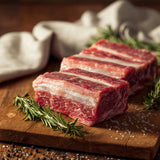
1kg - trimmed and cut into large pieces

1 onion - roughly chopped

2 carrots - chopped

2 sticks - chopped

3 cloves - crushed

Additional Ingredients
Method
Step 1 - Build Your Foundation
Preheat the oven to 160°C (140°C fan). Pat the short ribs dry and season generously with salt and black pepper. Lightly dust with flour – this is going to help create that deep, glossy gravy.
Step 2 - Colour Is King
Heat the oil in a heavy-based casserole dish. Sear the ribs on all sides until deeply browned. Don’t rush this. Proper colour equals proper flavour. Remove and set aside.
Step 3 - The Base Layer
In the same pot, add the onion, carrots and celery. Cook for 8–10 minutes until softened and lightly caramelised. Add the garlic and cook for another minute. Stir in the tomato purée and cook until it darkens slightly.
Step 4 - Bring It Together
Pour in the red wine and let it bubble for 2–3 minutes, scraping up all that goodness from the bottom of the pan. Add the stock, Worcestershire sauce, thyme and bay leaves.
Return the ribs to the pot. The liquid should come about three-quarters up the meat.
Step 5 - Low and Slow
Cover with a lid and transfer to the oven. Braise for around 3 hours, turning the ribs once halfway through, until the meat is meltingly tender and pulling away from the bone.
Step 6 - Finish Like You Mean It
Remove the ribs and keep warm. Skim excess fat if needed, then simmer the sauce on the hob for 10–15 minutes until thickened and glossy. Taste and adjust seasoning.
Return the ribs to the sauce and spoon it over generously.
To Serve
Pile onto creamy mashed potatoes or proper buttered root veg. Finish with fresh thyme and a good grind of black pepper. This is Sunday dinner with attitude.
Rich. Honest. Unapologetically British.
Cook it low and slow in the oven, fully covered in stock. Gentle braising over several hours breaks down the connective tissue and creates a soft, melt-in-the-mouth texture.
Sear the meat first, then cook it covered in liquid with vegetables and herbs at a low temperature. Keep it tightly covered to retain moisture and allow steady, even cooking.
Ox cheek requires several hours of slow cooking. It’s ready when it’s fork-tender and pulls apart easily without resistance.
Yes. In fact, it often tastes better the next day as the flavours deepen. Cool it fully, refrigerate, and reheat gently before serving.
Mashed swede or proper mashed potatoes work beautifully, soaking up the rich braising juices and balancing the depth of the beef.